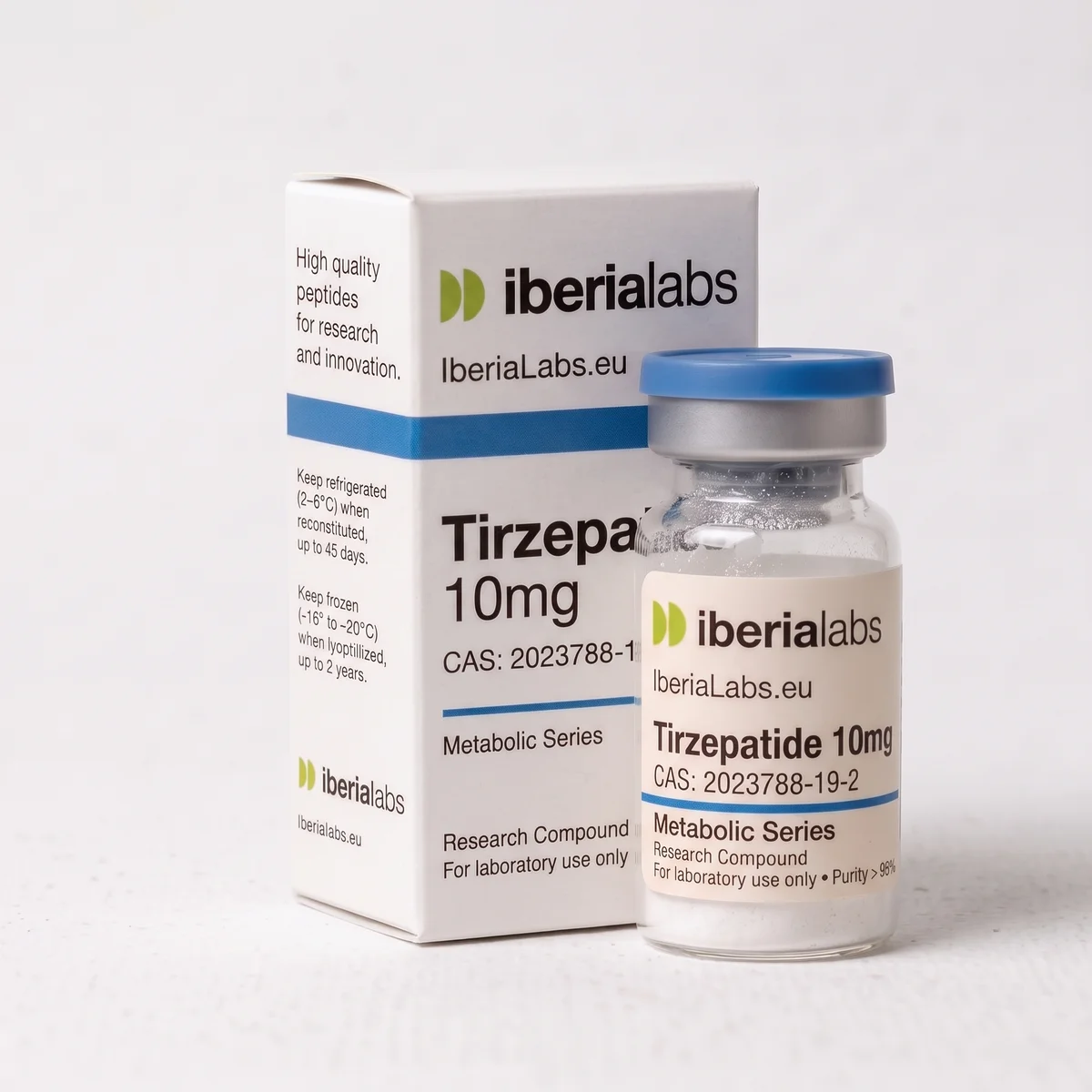
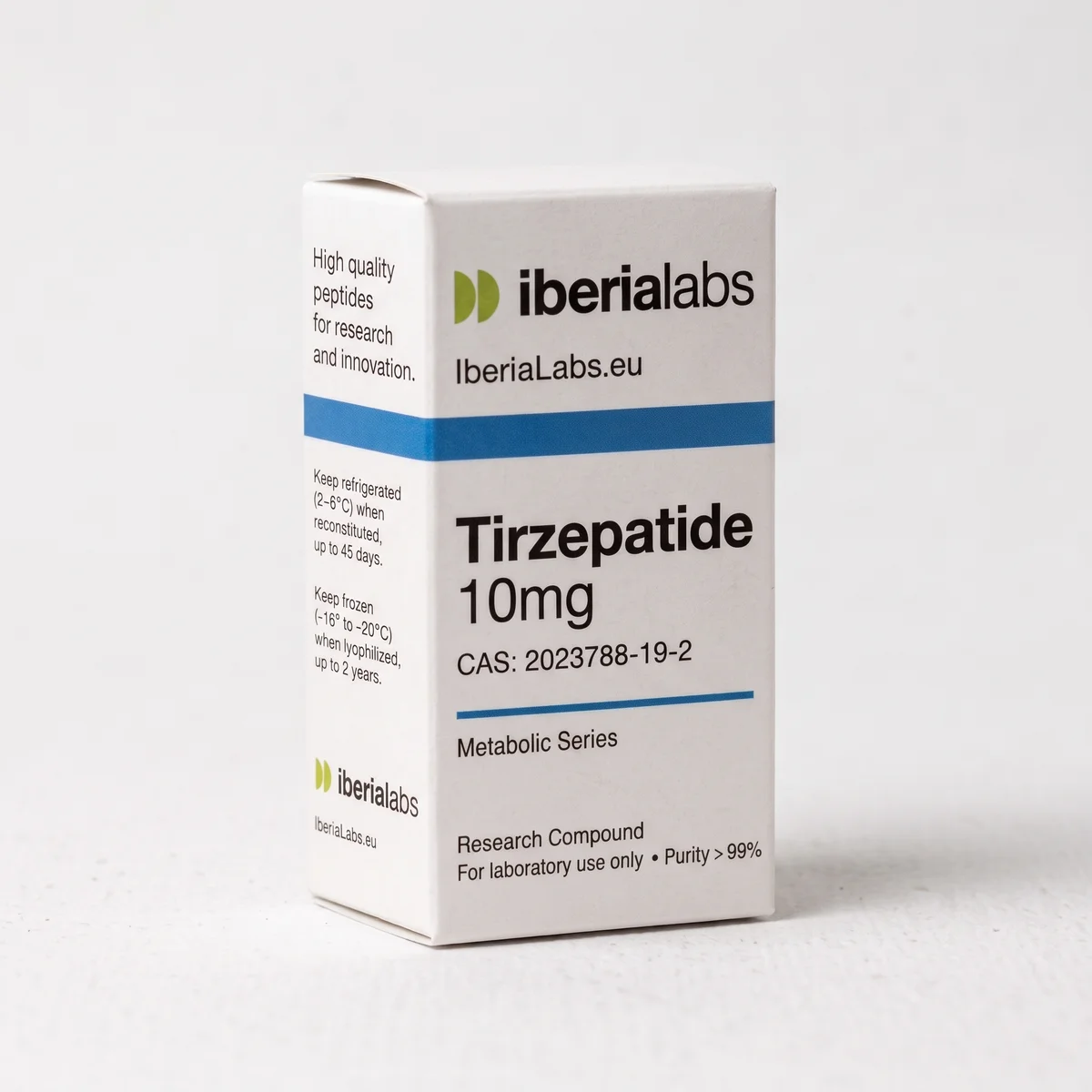
Tirzepatide: The Pioneer of Dual GIP and GLP-1 Receptor Agonism
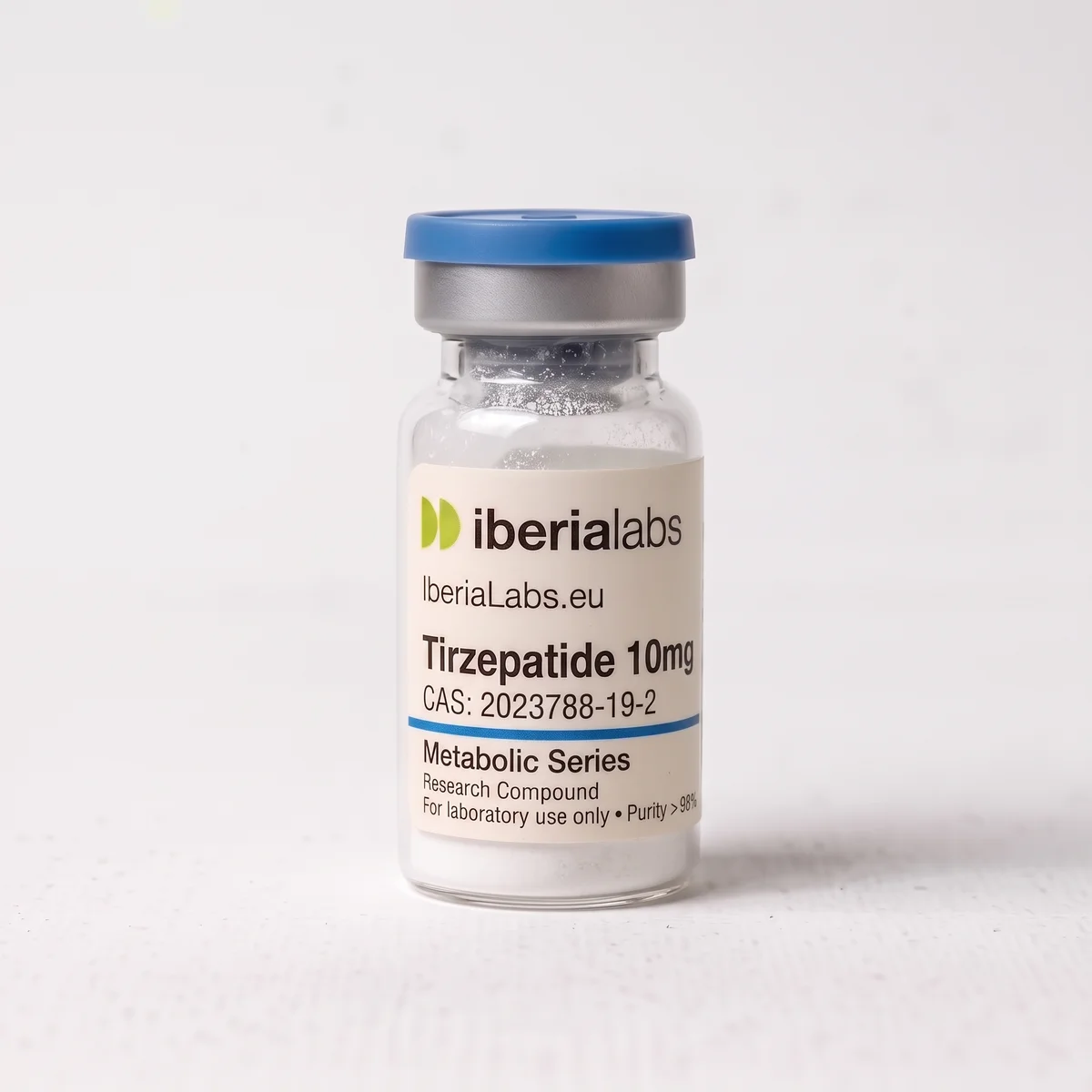
Tirzepatide is a pioneer in incretin biology, serving as the first approved dual glucose-dependent insulinotropic polypeptide (GIP) and glucagon-like peptide-1 (GLP-1) receptor agonist.4
Structural Parameters of Tirzepatide
| Property | Value and Specification | References |
|---|---|---|
| CAS Number | 2023788-19-2 | 8 |
| Molecular Formula | C225H348N48O68 | 8 |
| Molecular Weight | 4813.53 Da (as free base) | 8 |
| Chemical Structure | Linear peptide consisting of 39 amino acids | 8 |
| Key Modifications | Lys20 acylated with a C20 fatty diacid moiety | 8 |
Origin, History, and Research Stage
Tirzepatide was synthesized by Eli Lilly and Company, with initial patent applications filed in early 2016 . Following the SURPASS and SURMOUNT clinical trial programs, Tirzepatide demonstrated superior glycemic control and weight reduction compared to selective GLP-1 agonists.8 Tirzepatide received US FDA approval as Mounjaro for type 2 diabetes on May 13, 2022, and as Zepbound for chronic weight management in November 2023 . Its core compound patent provides Eli Lilly with an exclusivity runway stretching to 2036–2038 in major Western markets.4 Clinical trials completed in 2024 (e.g., the SUMMIT trial) have expanded its investigational scope to obesity-related heart failure with preserved ejection fraction (HFpEF), chronic kidney disease, and MASH.8
Mechanism of Action and Pharmacokinetics
Tirzepatide acts as a balanced dual agonist.8 It is a full agonist at the GIP receptor, displaying an in vitro potency similar to native GIP (EC50 = 0.042 nM), while acting as a biased agonist at the GLP-1 receptor (EC50 = 0.086 nM).8 This bias favors cyclic AMP (cAMP) signaling over beta-arrestine recruitment, which reduces receptor internalization and sustains receptor activation.8 The peptide's structural backbone is acylated at Lys20 with a C20 fatty diacid (eicosanedioic acid) via a gamma-glutamyl spacer.8 This modification enables high-affinity binding to serum albumin, resulting in an elimination half-life of approximately 5 days and permitting once-weekly subcutaneous dosing.8 GIP receptor activation in adipose tissue improves insulin sensitivity and buffering capacity, while synergistic GIPR and GLP-1R signaling in the brainstem and hypothalamus coordinates appetite suppression.8