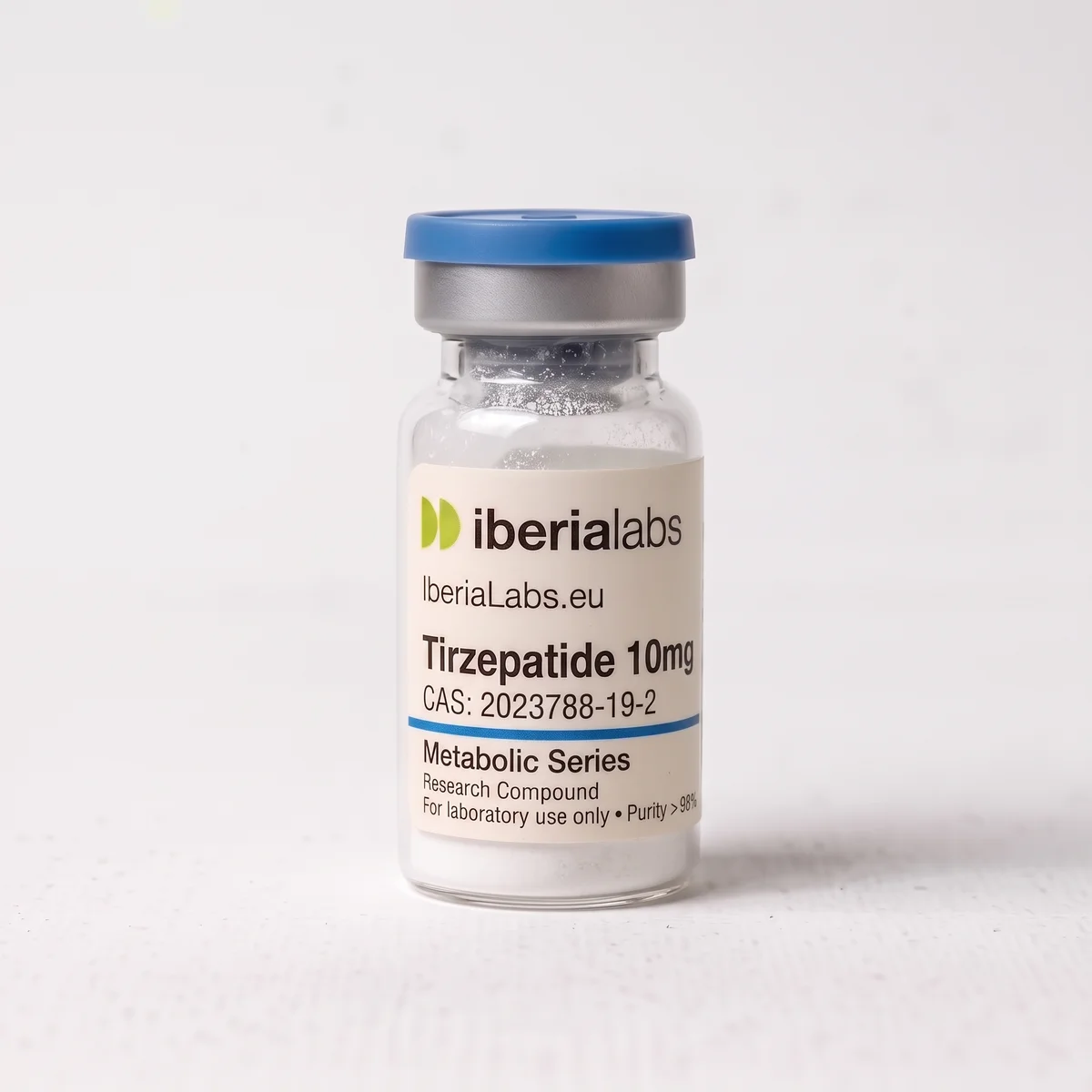
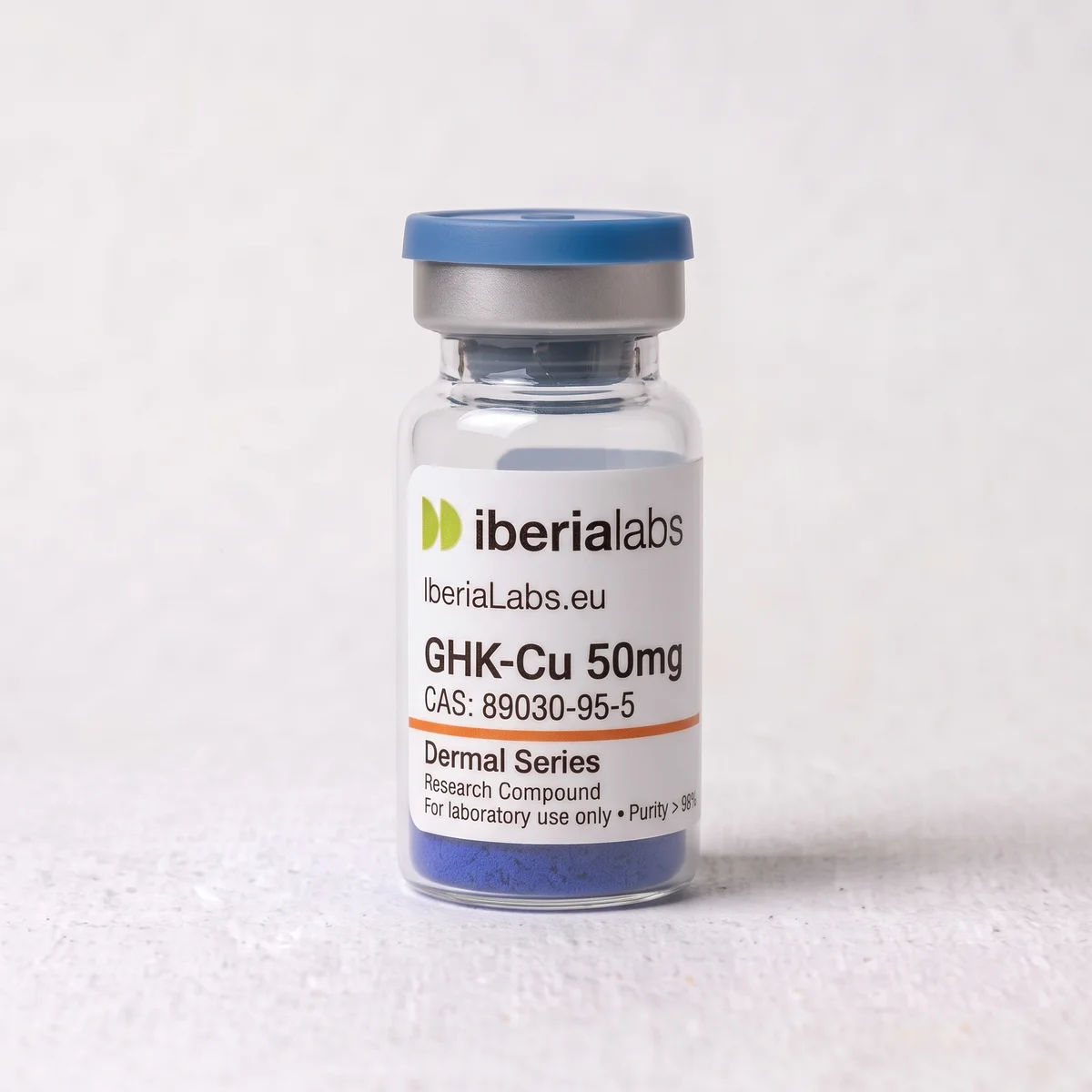
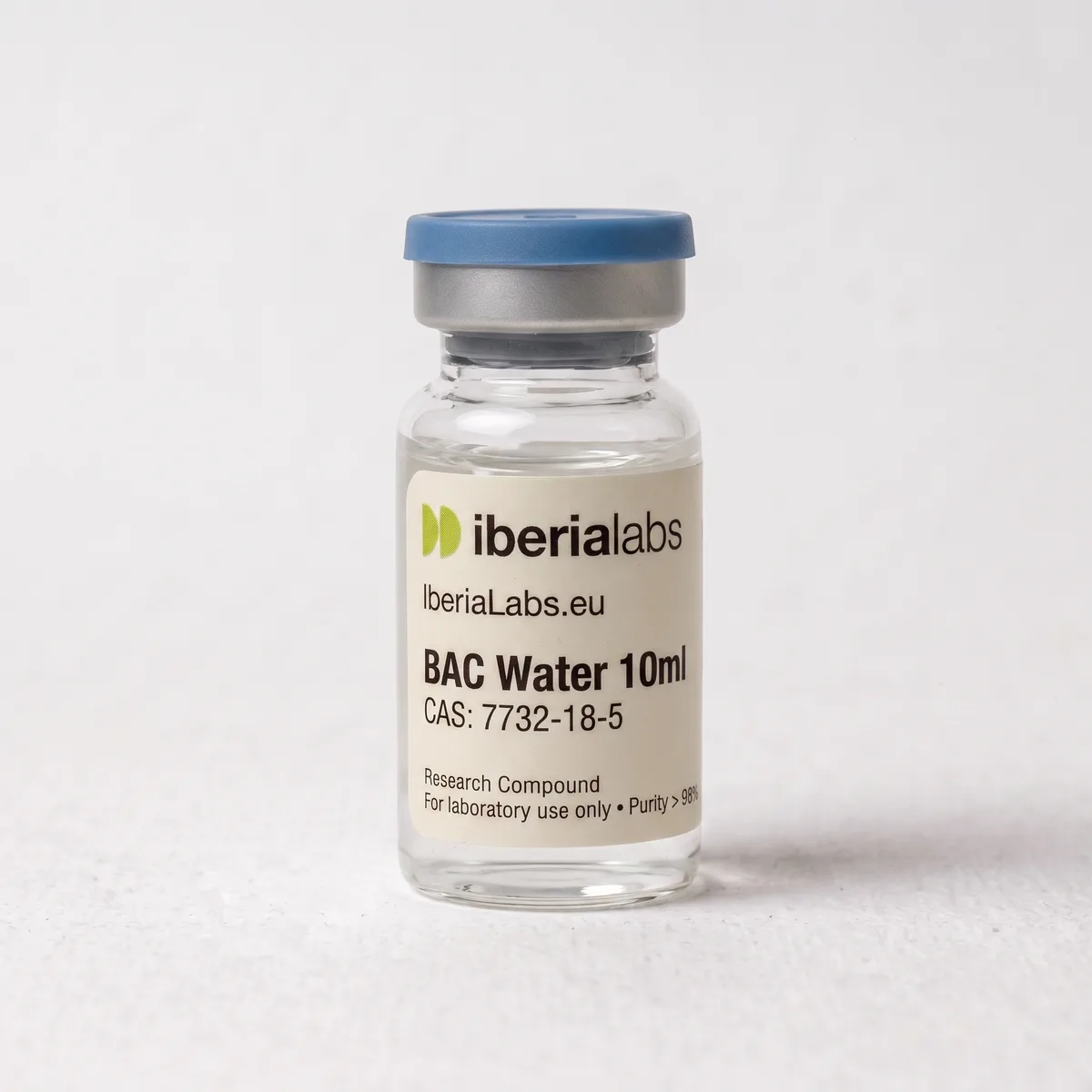
Introduction to the Reconstitution Process
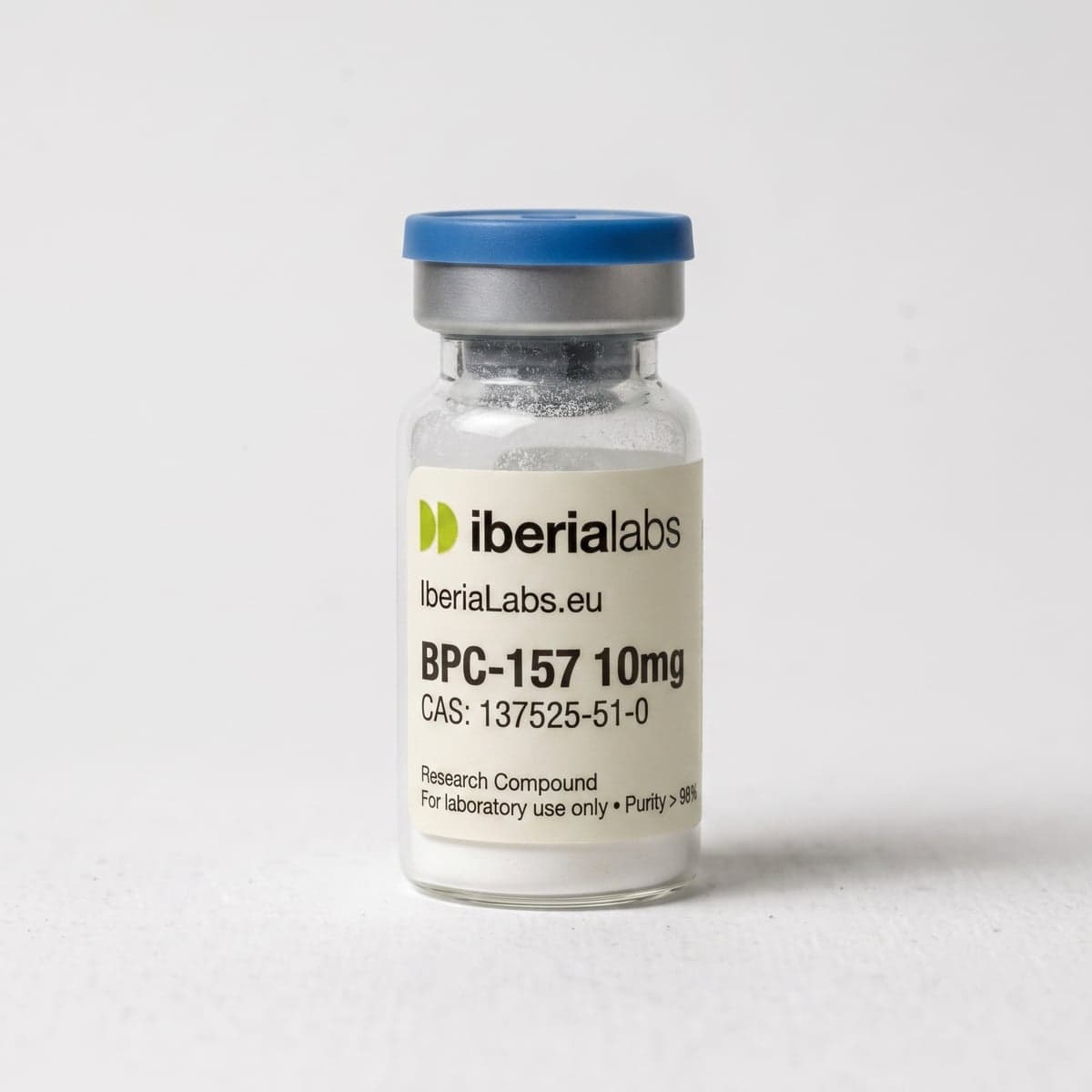
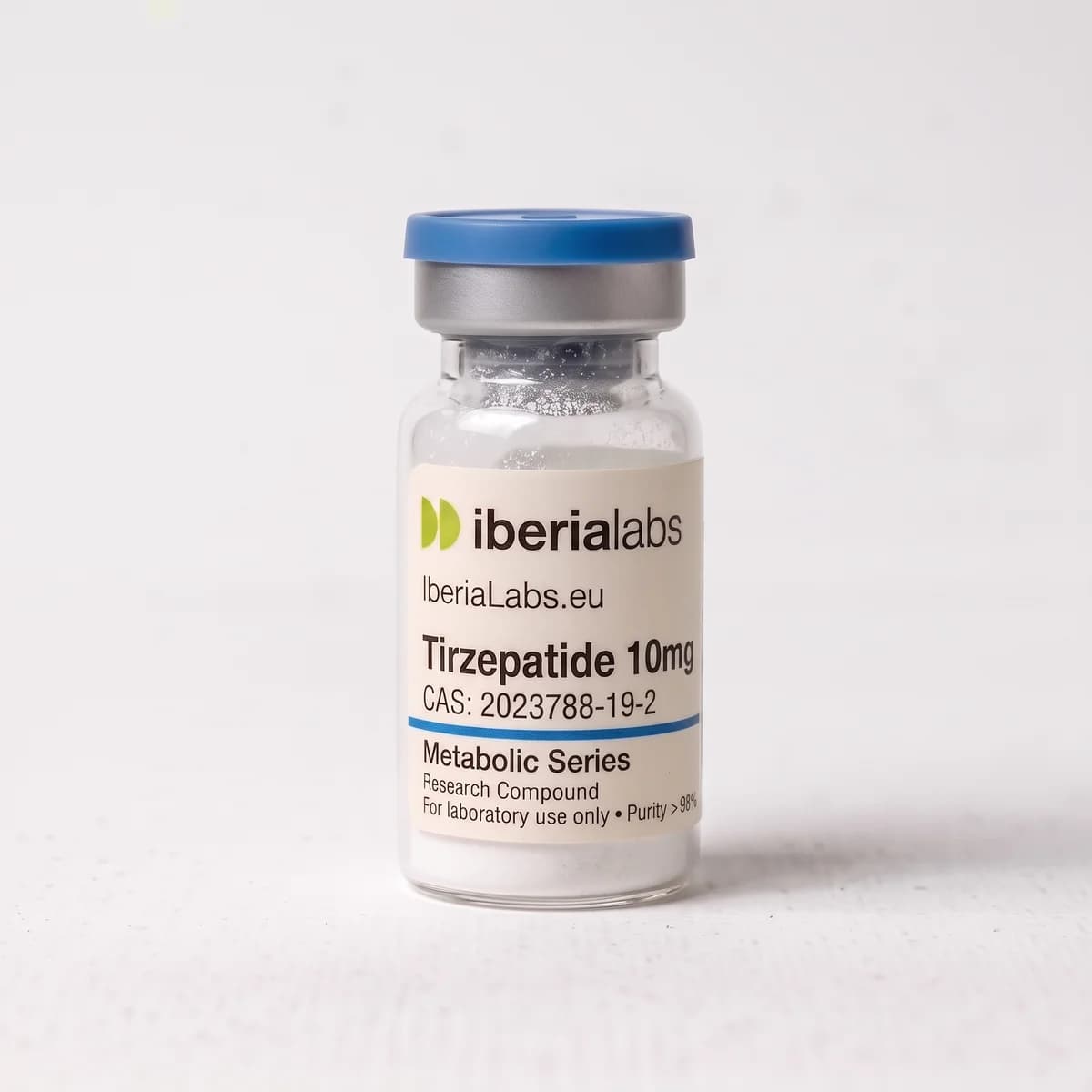
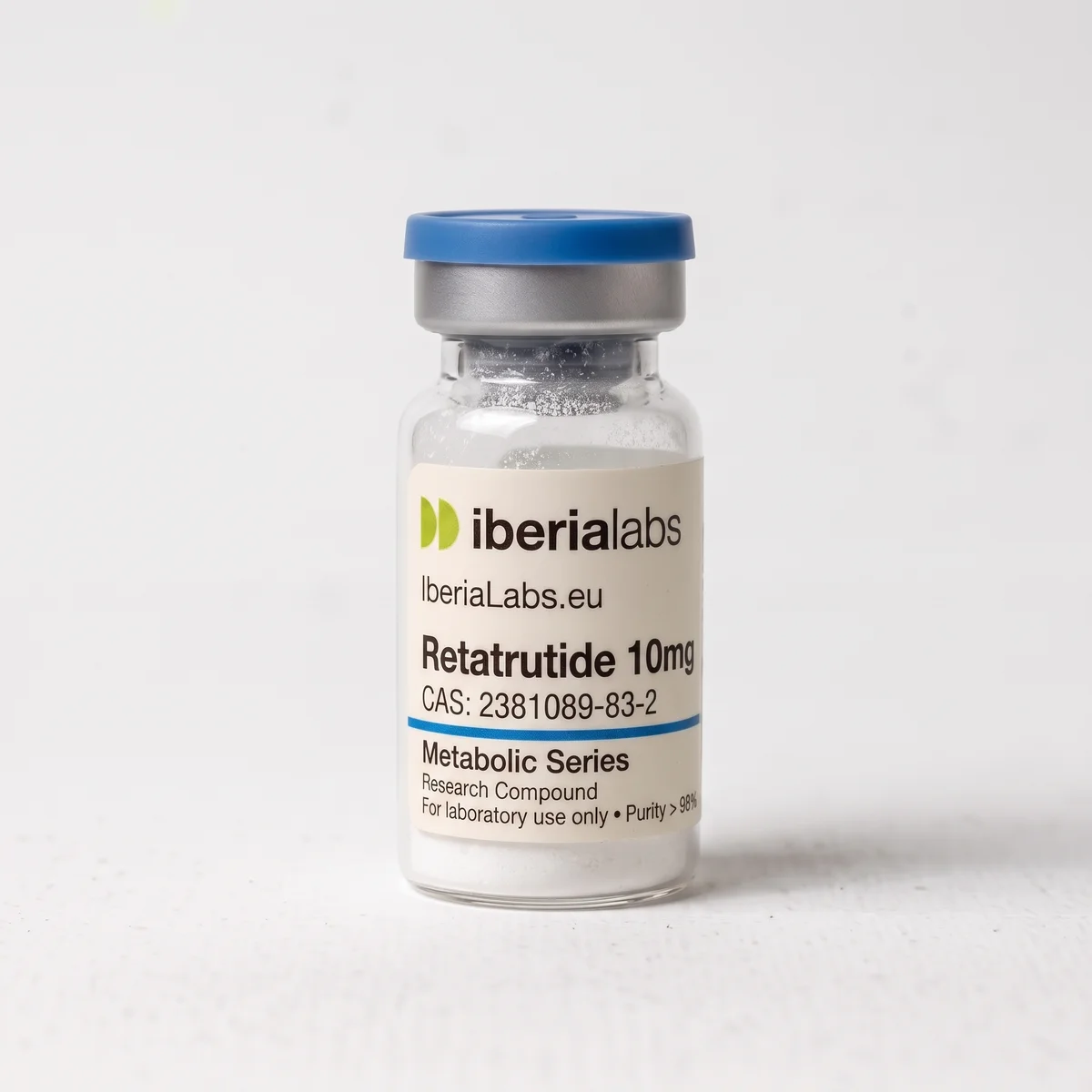
Most research peptides are distributed in vacuum lyophilized form (solid dehydrated cake) to protect peptide bonds from hydrolytic cleavage during distribution.
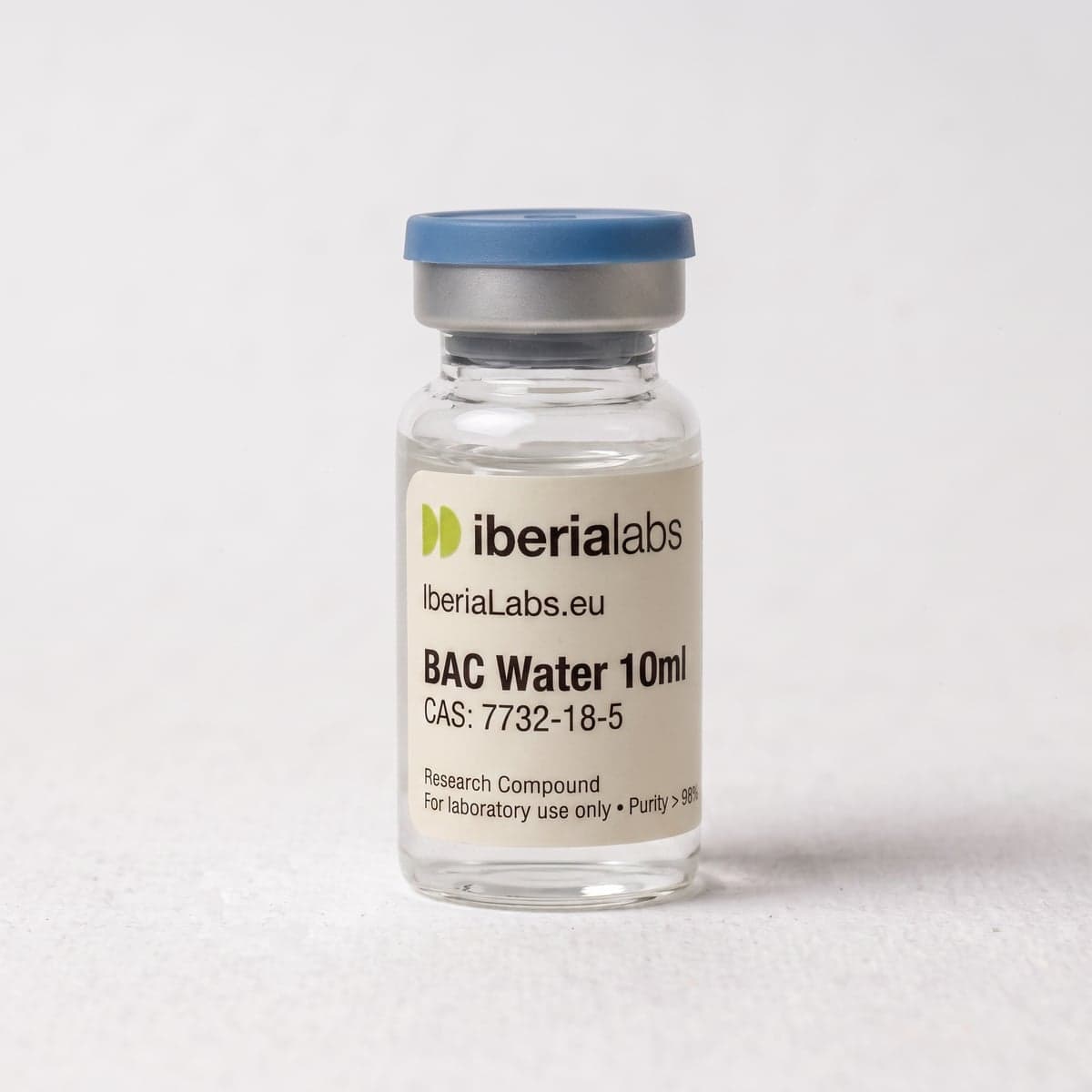
To prepare the compound for testing, it must be dissolved using a sterile solvent. The global analytical standard is Bacteriostatic Water (BAC Water) containing 0.9% benzyl alcohol as an antimicrobial preservative.
Required Laboratory Materials
- Lyophilized peptide vial (acclimated to room temperature).
- USP Grade Bacteriostatic Water vial.
- 70% Isopropyl alcohol swabs.
- Precision sterile syringe (1 mL or 2.5 mL with 29G–31G needle).
- Biohazard disposal sharps container.
Step-by-Step Laboratory Protocol
Step 1: Thermal Stabilization
Allow the sealed peptide vial to reach room temperature (approx. 15–20 minutes) before puncturing the stopper to avoid condensation artifacts.
Step 2: Stopper Asepsis
Remove the flip-off plastic covers. Swab the rubber septum with 70% alcohol and let air-dry for 30 seconds.
Step 3: Diluent Draw
Draw the measured volume of Bacteriostatic Water into your syringe (e.g., 2 mL for a 10 mg vial yields 5 mg/mL concentration).
Step 4: Angle the Stream (Critical)
Insert the needle at a 45-degree angle pointing towards the inner glass wall. Allow the water to run slowly down the sides. Never spray directly onto the lyophilized powder cake.
Step 5: Gentle Dissolution
Never shake vigorously. Gently swirl the vial between your palms until the solution is completely clear and free of particulates.
Storage & Stability
- Store strictly between 2 °C and 8 °C.
- Keep shielded from ambient UV radiation.
- Reconstituted shelf-life with 0.9% BAC water is 28–30 days.